

By Chris Walsh
As the air grows crisper – or in places like Texas the heat gets less hellish – all things pumpkin emerge from hibernation: lattes, baked goods, candies, decorations, and lots of other stuff.
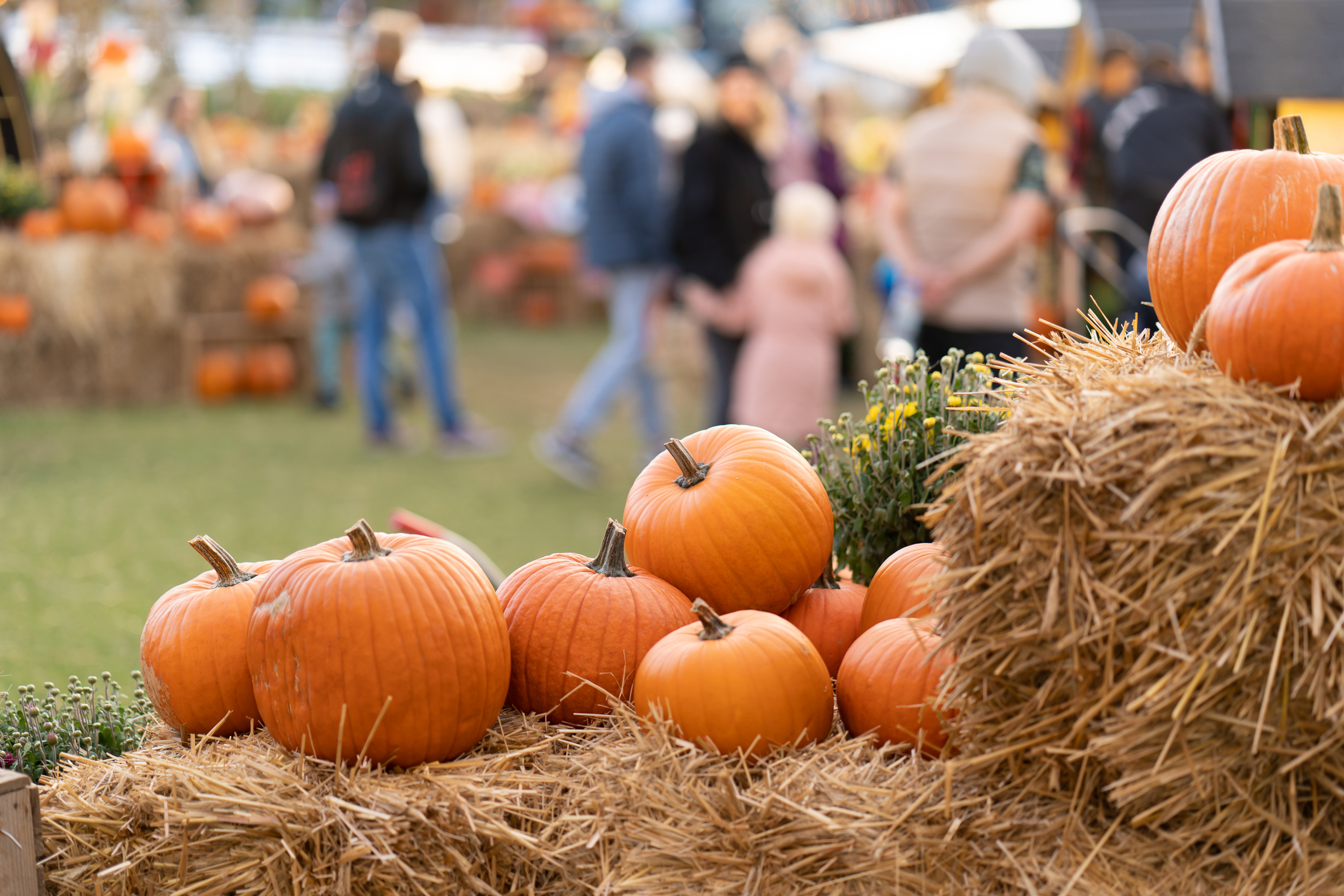
Tradition demands that my family – and many others – make their annual pilgrimage to the pumpkin patch.
We drive to the farm where we gather pumpkins – especially “the one” that will become our jack-o’-lantern come Halloween. Maybe we grab some apple cider donuts or a hot drink. Soon, we’re back home decorating our front stoop.
It might not be the first thing that comes to mind when going to a farm, but we’ve also been exercising pluralism – the commitment of people of varying beliefs and backgrounds to respect each other as equal citizens in a democracy.
How? Because businesses like pumpkin patches serve as “cathedrals of pluralism,” a term that Interfaith America’s Eboo Patel uses when describing institutions that build respect for “different identities, relationships across communities, and cooperation on concrete projects.”
That’s exactly what I’ve witnessed during visits to the local farm in North Texas where we get our pumpkins. After paying a nominal entry fee, diverse crowds of people – mostly families – excitedly wander the grounds together while searching for their prizes and engaging in all sorts of activities. Then for a fair price, they take home a wagon full of pumpkins and a lot of fun memories.
Sure, the primary motivator is self-interest: sellers want to make money, and customers want the product or experience. That shared pursuit of self-interest, though, brings people of varying faiths, beliefs, ethnicities, experiences, and backgrounds together. That’s a good thing.
The George W. Bush Institute’s own definition of pluralism emphasizes that pluralism is something that’s action-oriented – like going to a pumpkin patch. As highlighted in the Bush Institute’s pluralism toolkit released earlier this year, We the People: Pluralism in Real Life, the free market acts as a catalyst for bringing Americans together across their differences.
It can spark opportunity and innovation by allowing more people – despite differing beliefs and backgrounds – to engage in commerce or offer new ways of delivering services. As NBA star Michael Jordan once joked when choosing not to publicly endorse a Democratic U.S. Senate candidate, “Republicans buy sneakers too.” Joke or not, his words capture how relationships go beyond a single issue or identity.
The pumpkin patch illustrates pluralism in real life. People sporting crosses or hijabs crowd the same fence to feed a llama and pet a sheep. A family wearing Texas A&M jerseys waits patiently in line for the tractor ride behind the couple wearing rival University of Texas hats (as a native Northeasterner, I’m told this is a big deal). A European tourist chats with someone who immigrated to the United States from sub-Saharan Africa while both buy drinks from a booth set up by the local coffee shop.
“The most important thing in order for us to live in a pluralistic society is relationships, hands down,” Pastor Bob Roberts of the Multi-faith Neighbors Network said in a 2024 interview. “It’s not education. It’s not indoctrination. It’s literally becoming a friend of somebody who’s opposite you and what you think.”
That shared pursuit of self-interest seen between businesses and customers is one of the ways societies build those foundational relationships.
Americans shouldn’t think about “unity” as diverse actors singing the same song in harmony. That’s not how a free society works when people have considerable latitude to choose divergent and sometimes competing paths. Instead, American unity – like the pumpkin patch, the free market more broadly, and building relationships as Pastor Roberts encouraged – is how different citizens commit to sharing a common space and engaging there with civility.
Image: Courtesy of Dmitrij Galacewicz
Chris Walsh is director of freedom and democracy at the George W. Bush Institute
This is a Guest Blogger contribution to the Democracy Center blog. The views and opinions expressed by blog contributors are not necessarily those of the Democracy Center nor the Japanese American National Museum (JANM). The Democracy Center makes every effort to verify the information provided but makes no representation as to the accuracy or completeness of that information. The Democracy Center is not liable for any losses, injuries, or damages from the display or use of this information. The Democracy Center does not accept unsolicited blog posts or proposals. These terms and conditions of use are subject to change at any time and without notice. Please direct any concerns to DemocracyCenter@janm.org. For more information on JANM’s terms of service, please visit: janm.org/about/terms-of-service