

By Liliana Simpson-Castaneda
In 2023, when I was a sophomore at Gabrielino High School, I was involved in my school’s Gender and Sexuality Alliance (GSA) club. There, I was able to interact with peers whoI found welcoming and supportive. But their internal support could not prevent the actions of individuals outside the club.
That June, when the GSA hung Pride flags around the school, some students maliciously tore them down and threw them in the trash. I will always remember moving old school lunches off the top of a flag so I was able to pull it out of the trash can. Despite the obvious wrongdoing, no one was held responsible, and no significant efforts were made to challenge the anti-LGBTQ climate of the school. The GSA disbanded the next year.
Three years later as we recognize National Transgender Day of Remembrance on November 20th to memorialize transgender and gender-nonconforming people whose lives were lost to anti-trans hate, violence and suicide, it’s clear that LGBTQ youth still lack spaces where they feel safe and supported by their local communities.
According to an analysis of the 2023 Los Angeles County Health Survey by the Williams Institute, “most LGBTQ adults felt that California (86%) and the country (84%) have become more accepting over the past decade than their local neighborhood (73%)”.
This lack of support is evident in the San Gabriel Valley with the dissolution of the HEAR Commission in San Gabriel. When the HEAR Commission wanted to champion inclusivity through a pro-LGBTQ initiative, the city council rejected the program and disbanded the commission, signaling that LGBTQ acceptance was unimportant to them. No matter the national fervor, support for LGBTQ youth within their local community is what makes them feel confident to be who they truly are.
However, there are policy solutions that can make members of the LGBTQ community feel supported. One way is through a comprehensive safe space program, where local businesses, organizations, and public spaces can help maintain a culture of safety and openness.
LA County has already made progress in this area, passing a motion titled “Care with Pride: Creating LGBTQ+ Third Spaces Across Los Angeles County” to improve access to safe affirming spaces for LGBTQ+ youth ages 12-26 and older adults ages 60+, reinforce department cooperation, and provide resources for community education and training. The Care with Pride motion demonstrates that progress can be made when there are people willing to take action.
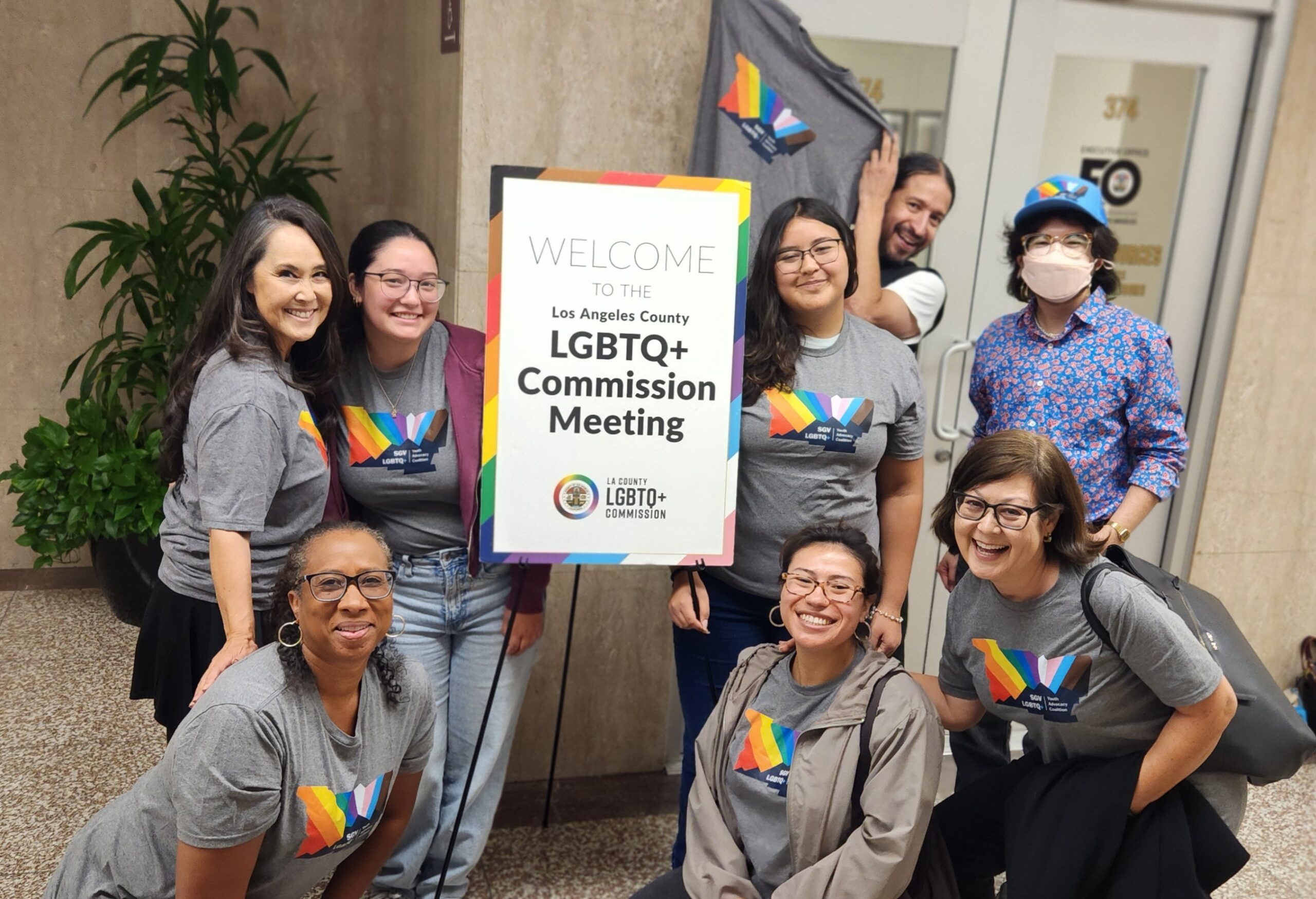
Additionally, there are plenty of activists and policy experts that legislators can uplift to continue making change within LA County and the SGV. This includes the SGV LGBTQ+ Youth Advocacy Coalition, which partners experienced advocates and policymakers with actual LGBTQ youth—like myself. Together, the Coalition aims to create a comprehensive safe space program that is deeply needed in the SGV.
We can make a change, county by county and town by town, to improve the environment for LGBTQ youth. In a time when national politics seem to be weaponizing transphobia to spark a larger culture war, close-knit communities can be a refuge for transgender and queer youth. By partnering with community organizations and passionate activists, we can ensure that individualsdo not have to rely on a GSA club that their school won’t protect. Rather, the whole community can be a bastion of safe spaces for LGBTQ youth.
About the Author

Liliana Simpson-Castaneda is a founding member of the San Gabriel Valley LGBTQ+ Youth Advocacy Coalition, funded by All Children Thrive (ACT). She is a sophomore at UCLA, double majoring in Public Affairs and History.
Link to Care With Pride
This is a Guest Blogger contribution to the Democracy Center blog. The views and opinions expressed by blog contributors are not necessarily those of the Democracy Center nor the Japanese American National Museum (JANM). The Democracy Center makes every effort to verify the information provided but makes no representation as to the accuracy or completeness of that information. The Democracy Center is not liable for any losses, injuries, or damages from the display or use of this information. The Democracy Center does not accept unsolicited blog posts or proposals. These terms and conditions of use are subject to change at any time and without notice. Please direct any concerns to DemocracyCenter@janm.org. For more information on JANM’s terms of service, please visit: janm.org/about/terms-of-service